

In modern infrastructure projects, durability, sustainability, and cost efficiency are no longer optional—they are essential. From roads and highways to drainage systems, retaining walls, and large-scale civil engineering projects, engineers and contractors are constantly seeking materials that improve performance while reducing long-term costs. One such material that has become indispensable in recent years is geotextile.
Geotextiles play a critical role in enhancing soil performance and extending the lifespan of construction projects. In this article, we will explore what geotextiles are, how geotextile in construction is used, and the key benefits of geotextile fabric for modern engineering applications.
What Is Geotextile and Why Is It Important?
A geotextile is a permeable synthetic fabric, typically made from polypropylene or polyester, that is used in contact with soil, rock, or other construction materials. Its primary function is to improve soil behavior by providing separation, filtration, reinforcement, drainage, or protection.
The importance of geotextile in construction lies in its ability to solve common ground-related problems such as soil instability, erosion, poor drainage, and uneven load distribution. By integrating geotextile fabric into a project, engineers can significantly improve structural reliability and performance.
Common Applications of Geotextile in Construction
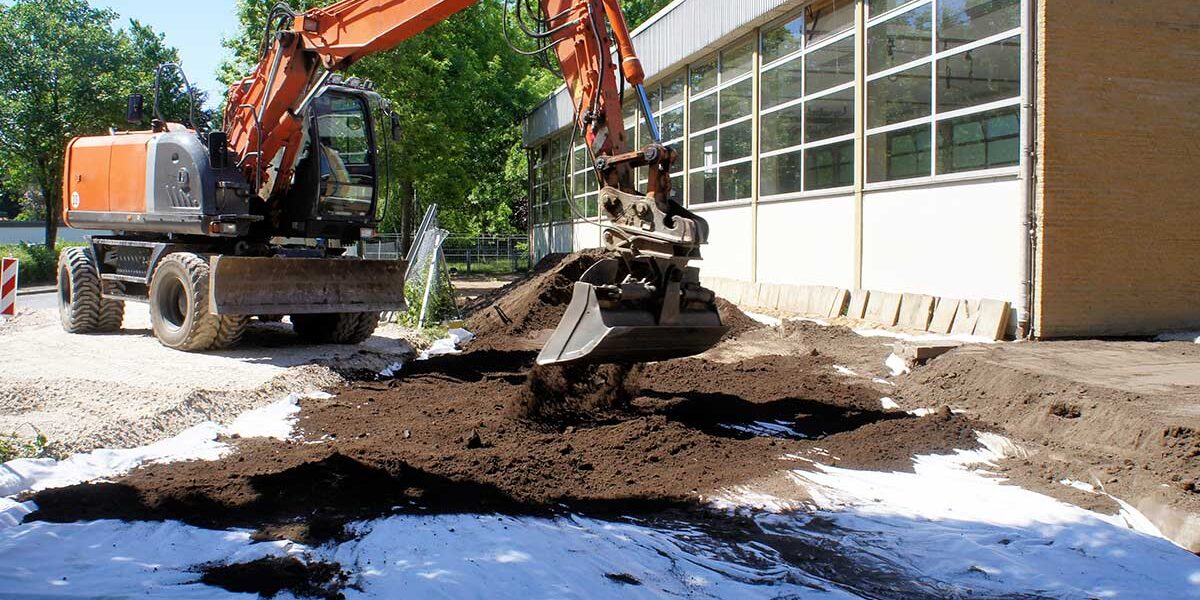
The use of geotextile in construction spans a wide range of sectors, including transportation, environmental engineering, and urban development. Typical applications include road and highway construction, railway subgrades, drainage and filtration systems, retaining walls and embankments, landfills and waste management systems, erosion control and coastal protection, as well as sports fields and landscaping projects.
In each of these applications, geotextile fabric acts as a functional layer that enhances soil strength while allowing water to pass through efficiently.
Key Benefit 1: Soil Stabilization and Reinforcement
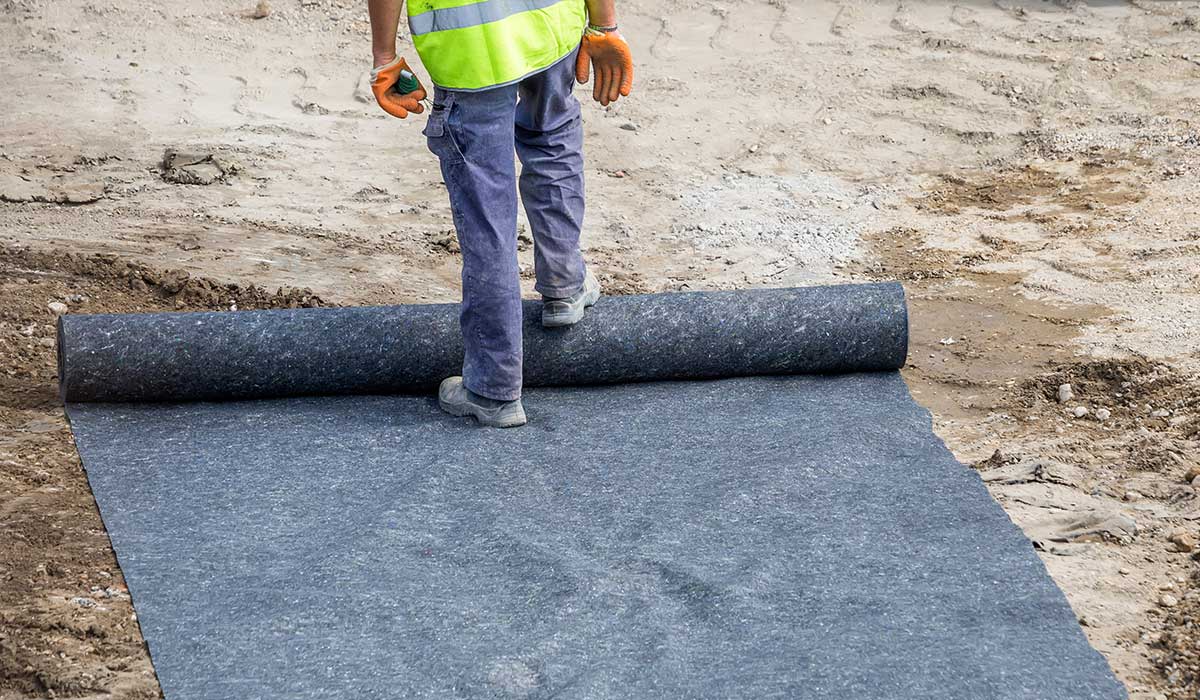
One of the most significant benefits of using geotextiles is soil stabilization. Weak or unstable soils can compromise the integrity of any structure built on top of them. Geotextile fabric reinforces the soil by distributing loads more evenly and reducing deformation under pressure.
In road construction, for example, geotextile placed between the subgrade and base layers prevents rutting and improves load-bearing capacity. This reinforcement capability leads to longer-lasting roads and reduced maintenance costs.
Key Benefit 2: Separation of Soil Layers
Another essential function of geotextile in construction is separation. When different soil layers’ mix, performance deteriorates, leading to settlement, instability, and drainage problems.
Geotextile fabric acts as a physical barrier that prevents fine soil particles from migrating into coarser aggregates. This separation maintains the integrity of each layer, ensuring that the design specifications of the project are preserved over time.
Key Benefit 3: Effective Filtration and Drainage
Water management is a critical aspect of construction projects. Poor drainage can cause soil erosion, loss of strength, and structural failure. Geotextiles excel in filtration and drainage applications by allowing water to pass through while retaining soil particles.
In drainage systems, geotextile fabric is commonly wrapped around pipes or used in trenches to prevent clogging. This ensures long-term functionality and reduces the risk of system failure due to sediment buildup.
Key Benefit 4: Erosion Control and Environmental Protection
Erosion is a major challenge in construction, particularly in slopes, embankments, riverbanks, and coastal areas. Geotextile helps control erosion by stabilizing soil surfaces and reducing the impact of water flow and wind.
From an environmental perspective, geotextile in construction supports sustainable practices by minimizing soil loss and protecting natural ecosystems. It is widely used in green infrastructure projects where environmental preservation is a priority.
Key Benefit 5: Cost Efficiency and Long-Term Savings
While geotextile fabric adds an initial material cost, it delivers substantial long-term savings. By improving soil performance, reducing material thickness requirements, and extending the service life of structures, geotextiles significantly lower maintenance and repair expenses.
In large infrastructure projects, the use of geotextile in construction can reduce the need for expensive soil replacement or over-excavation, resulting in faster construction timelines and lower overall project costs.
Key Benefit 6: Versatility and Ease of Installation
Geotextiles are lightweight, flexible, and easy to install, making them suitable for a wide variety of site conditions. Whether the project involves soft soils, steep slopes, or complex drainage systems, geotextile fabric can be adapted to meet specific engineering requirements.
Their versatility allows engineers to design customized solutions for different construction challenges without compromising performance or durability.
Choosing the Right Geotextile Fabric
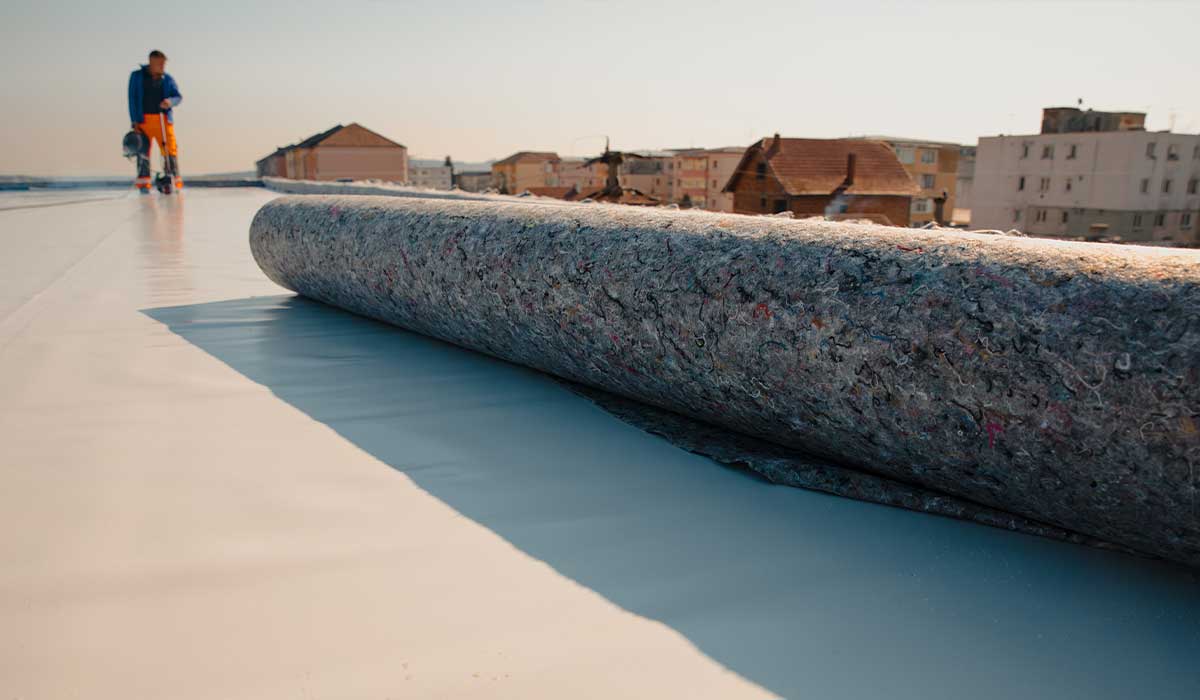
Selecting the correct geotextile depends on factors such as soil type, load conditions, permeability requirements, and environmental exposure. Woven and non-woven geotextiles each offer distinct advantages depending on the application.
A properly selected and installed geotextile ensures optimal performance and maximizes the benefits throughout the project’s lifecycle.
Building Stronger and Smarter Infrastructure with Geotextiles
The use of geotextile has fundamentally reshaped modern construction by providing reliable, engineered solutions to long-standing ground and soil challenges. From improving load distribution and drainage to preventing erosion and maintaining layer separation, geotextile in construction delivers both technical and economic advantages that directly impact project success.
As infrastructure projects become larger, more complex, and more sustainability-driven, the role of geotextile fabric continues to grow. Its ability to enhance structural performance, reduce material consumption, and extend service life makes it an essential component of future-ready construction practices.
By choosing the right geotextile solution and applying it correctly, engineers and developers can build safer, longer-lasting, and more cost-effective structures—laying a solid foundation not just for today’s projects, but for the infrastructure demands of tomorrow.
